
The Ocean's Silent Giants
A scientific-grade encyclopedia detailing the behaviors, seasonal migrations, and critical identification markers of the ocean's apex species.
Apex Marine Species
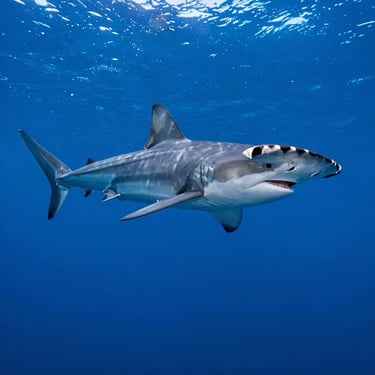
Hammerhead Shark
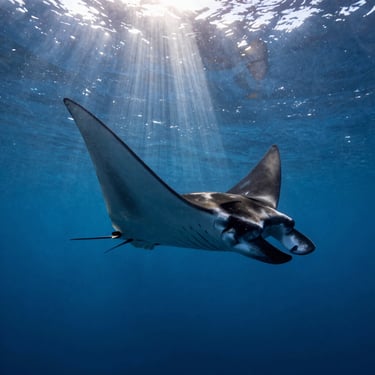
Manta Ray
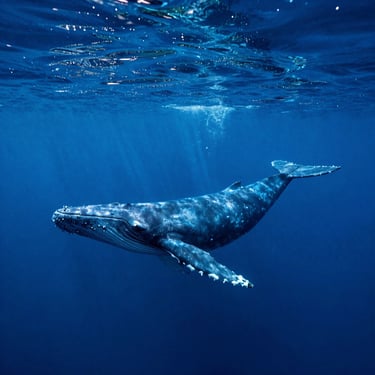
Blue Whale
Recognized by their unique cephalofoil, these apex predators migrate seasonally along deep thermoclines, navigating vast oceanic highways with incredible precision.
Gentle giants of the pelagic zone, identifying marks on their underbellies reveal individual migration patterns, allowing researchers to track their global movements.
The largest creature on Earth, these magnificent mammals pass through deep oceanic trenches during their annual polar migrations to feed in nutrient-rich waters.
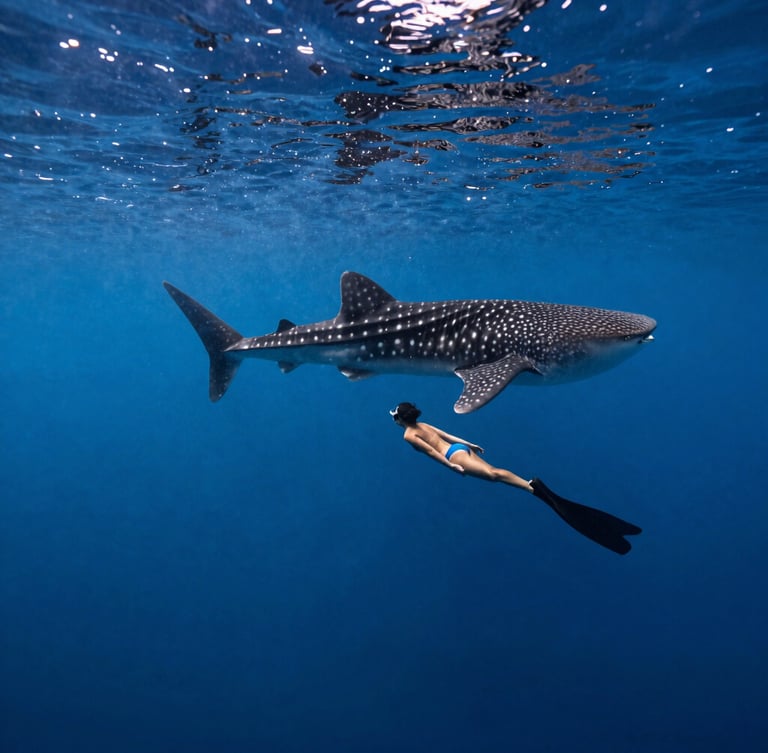
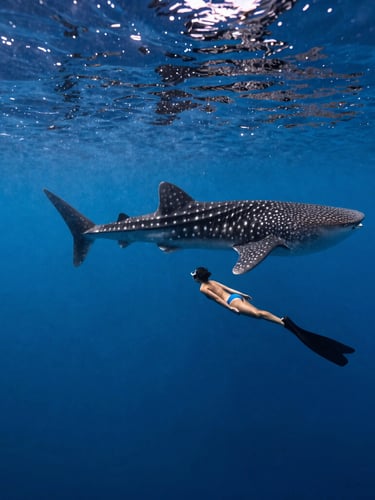
Tracking Seasonal Paths
Pelagic species travel along massive underwater corridors driven by temperature changes and nutrient currents. Our expeditions align perfectly with these movements.
By studying these thermoclines, we offer divers rare opportunities to witness major migrations with absolute safety and ecological respect.
Marine Safety Guidelines
Neutral Buoyancy
Passive Observation
Zero Contact
Maintain perfect trim and a minimum distance of four meters to avoid disrupting natural swimming pathways during close encounters.
Avoid sudden movements or acoustic signals. Let the marine life dictate the depth and duration of the encounter in their natural habitat.
Never touch, feed, or chase pelagic life. Protect the delicate protective mucous layer of marine organisms to prevent harmful infections.
Ocean Dive Network
Dive. Learn. Explore the World Beneath.
Home-Courses & Trips-Liveaboards-Marine Life-Contact
DEPARTURES
expeditions@oceandivenetwork.com
Global Headquarters
Mon-Sat: 09:00 - 18:00 EST
© 2026 Ocean Dive Network-Mastery-based education and luxury dive concierge.
EXPEDITION-GRADE EXPLORATION